
Ethical Mica in Soap Making: Why Responsible Sourcing Matters
- Mar 11
- 4 min read
The Beauty of Mica in Handmade Soap
If you’ve ever admired the shimmer of a handcrafted soap or the gentle glow of a body butter or bath product, chances are you’ve seen mica pigments at work.
Mica is a naturally occurring mineral that reflects light in a way that creates beautiful shimmer and depth of color. In the world of artisan soap making and cosmetics, mica pigments are commonly used to create:
vibrant soap swirls
subtle shimmer effects
mineral-based colorants for cosmetics
luminous finishes in body products
When responsibly sourced and properly processed, mica pigments are safe, stable, and widely used in cosmetic formulations.
But like many natural materials, mica has a complicated supply chain. Understanding where mica comes from—and how it is mined—is an important part of responsible crafting.


Where Mica Comes From
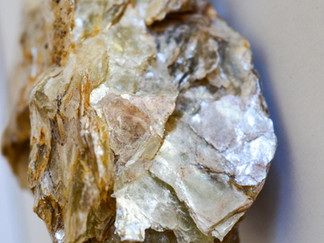
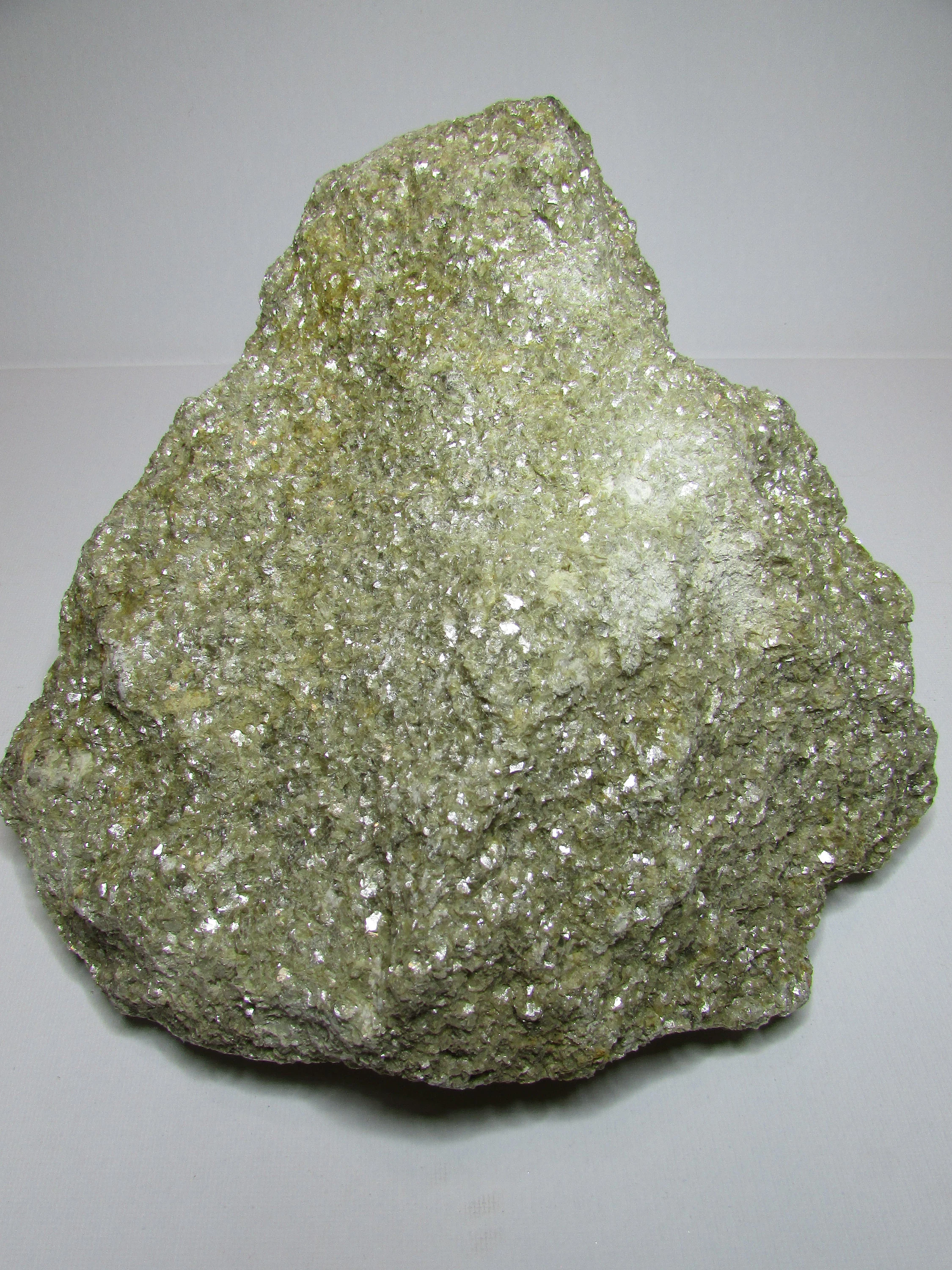
Mica is a silicate mineral found in rock formations around the world. It forms in thin layers that can be separated into shimmering sheets.
Major sources of mica include:
India
Madagascar
China
Brazil
Russia
The mineral itself is incredibly useful. Beyond cosmetics and soap, mica is used in electronics, automotive coatings, construction materials, and paints.
Because mica is in demand across so many industries, mining operations exist at both large industrial scales and smaller informal operations.
This is where ethical concerns enter the conversation.
The Ethical Concerns Around Mica Mining
In some parts of the world—particularly regions of India and Madagascar—mica mining has historically been linked to unsafe working conditions and child labor.
Small, unregulated mining operations sometimes operate outside formal labor protections. In those environments, families may rely on mining as a primary income source, and children have sometimes been involved in gathering mica fragments from the earth.
This reality has prompted increased attention from organizations and responsible suppliers who are working to create transparent, ethical supply chains for mica.
It’s important to understand that mica itself is not the problem. The issue lies in how it is mined and how supply chains are managed.
Responsible sourcing ensures that the mica used in cosmetics and soap is obtained in ways that respect workers and communities.
How Responsible Mica is Sourced
In recent years, many cosmetic ingredient suppliers have worked to create traceable mica supply chains.
Responsible sourcing often includes:
Traceability Suppliers track where the mica originates and ensure it comes from approved mining operations.
Labor protections Ethical sourcing standards help ensure workers are paid fairly and protected by labor laws.
Community programs Some sourcing initiatives fund schools and community programs in mining regions to reduce child labor risk.
Organizations such as the Responsible Mica Initiative (RMI) were created specifically to improve transparency and working conditions in the mica industry.
For makers and small businesses, one of the most important steps is purchasing mica pigments from reputable cosmetic ingredient suppliers rather than unknown sources.
Cosmetic-Grade Mica vs. Craft Mica
Not all mica pigments are created equally.
For products that touch the skin—such as soap, body butters, bath products, or cosmetics—it is critical to use cosmetic-grade mica pigments.
Cosmetic-grade mica is:
manufactured specifically for personal care products
tested for skin safety
free of heavy metal contamination beyond allowed limits
approved for cosmetic use
These pigments are formulated to meet safety standards required for skincare and cosmetic formulations. I use the very best of cosmetic grade micas from Mad Mica's. These ethically sourced micas are consistently excellent and I know I can trust them.

Why Cheap Mica Can Be Risky
In recent years, ultra-cheap pigments have become widely available through mass marketplaces and overseas resellers.
You may see large quantities of mica pigments sold through platforms like Amazon, Temu, or other bulk import sellers with little information about:
origin
cosmetic safety testing
ingredient composition
regulatory compliance
Without proper documentation, there is no way to confirm that these pigments are:
safe for skin contact
compliant with cosmetic regulations
responsibly sourced
For artisans who care deeply about what goes into their products, this matters.
Choosing professional cosmetic suppliers helps ensure both safety and ethical sourcing transparency.
Why Responsible Mica Matters in Handmade Soap
At Bar Soap Company, color is part of the artistry of soap making. Swirls, layers, and mineral pigments help transform a simple bar of soap into something visually beautiful.
But beauty in handmade products should never come at the expense of people or the planet.
That’s why responsible ingredient sourcing matters.
Choosing ethically sourced, cosmetic-grade mica pigments ensures that the colors used in handmade soaps are:
safe for skin
responsibly sourced
transparent in origin
compliant with cosmetic standards
This approach aligns with a broader philosophy of thoughtful, responsible crafting.
Crafting with Integrity
Handmade soap is more than a product. It represents the choices makers make every day about ingredients, suppliers, and the values behind their work. Ethically sourced mica allows artisans to continue creating vibrant, beautiful soaps while supporting responsible supply chains. For Bar Soap Company, that means choosing ingredients carefully, asking questions about sourcing, and prioritizing materials that align with the company’s commitment to quality and stewardship. Because the beauty of handmade soap should reflect not only the artistry of the maker—but also the integrity behind the ingredients.







For those of you who still prefer soaps without mica, I've got you covered! I carry a full line of soaps with only natural additives for coloring. These include cocoa, turmeric, clays, coffee and other wonderful naturals. When scanning the store for the natural colors vs mica enriched soaps, note the vibrancy. Natural colors feature earth tones and are muted and more subtle. Mica pigments are bold and bright! You'll find my very best recipes available in an abundance of styles and preferences.


Comments